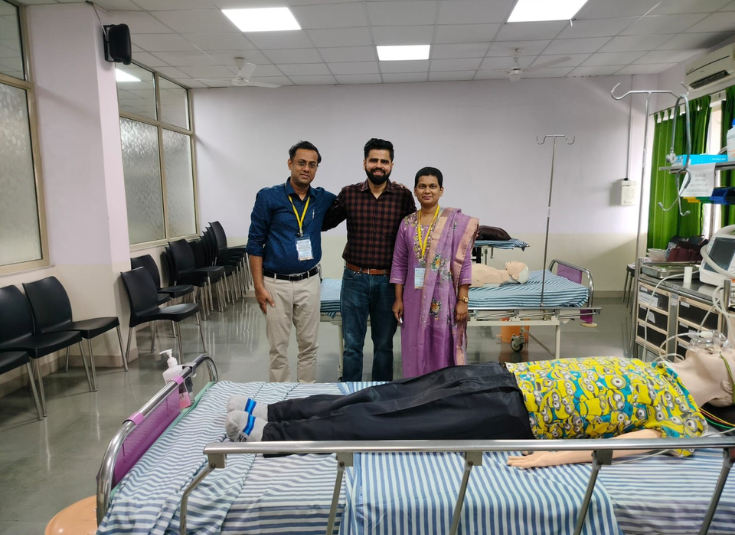
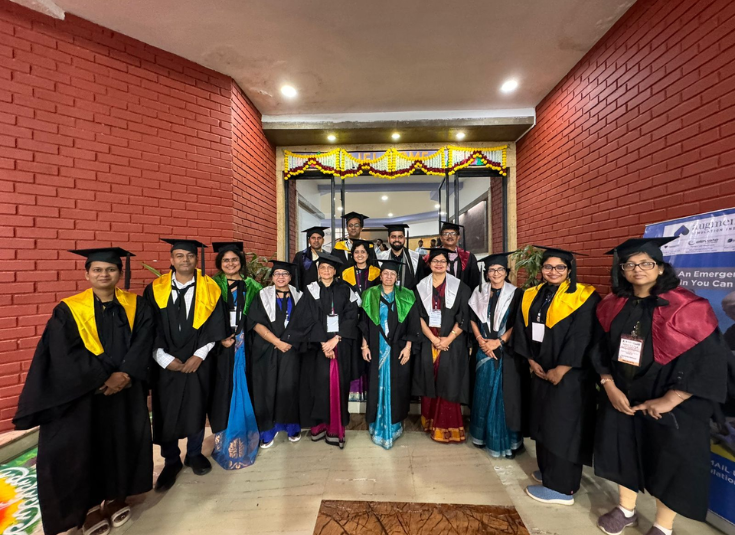
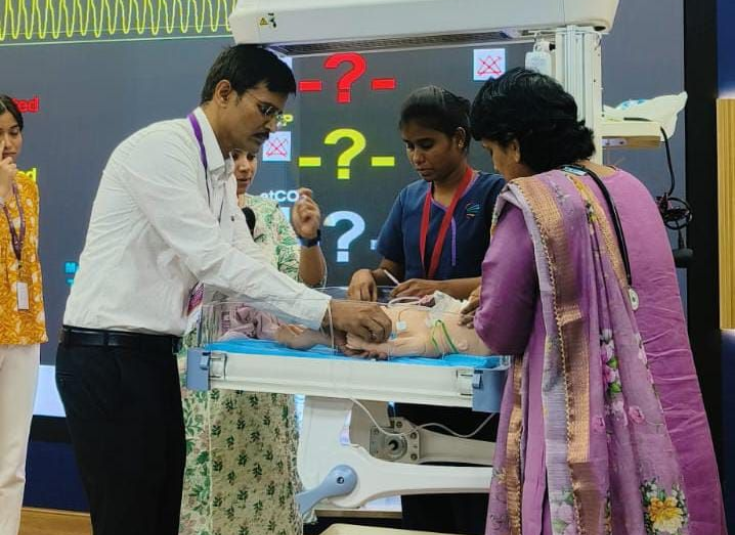
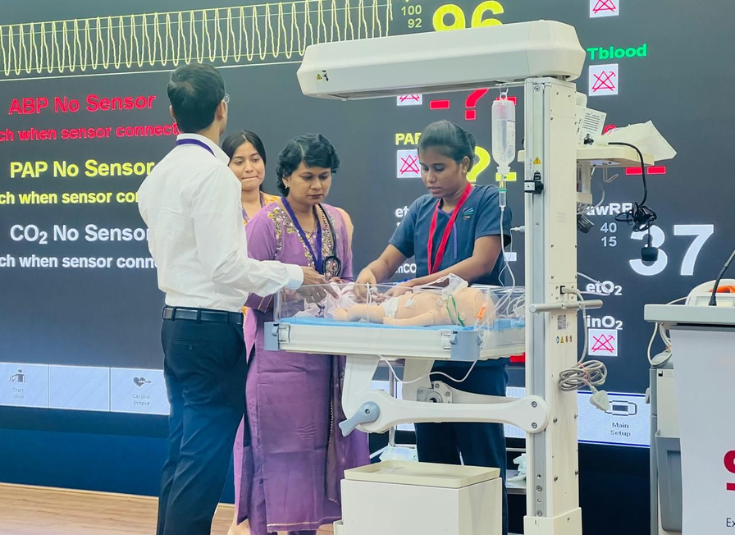
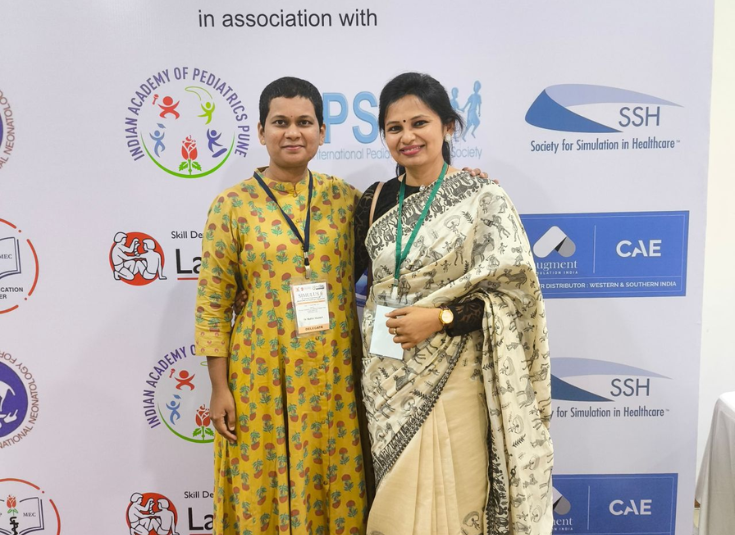
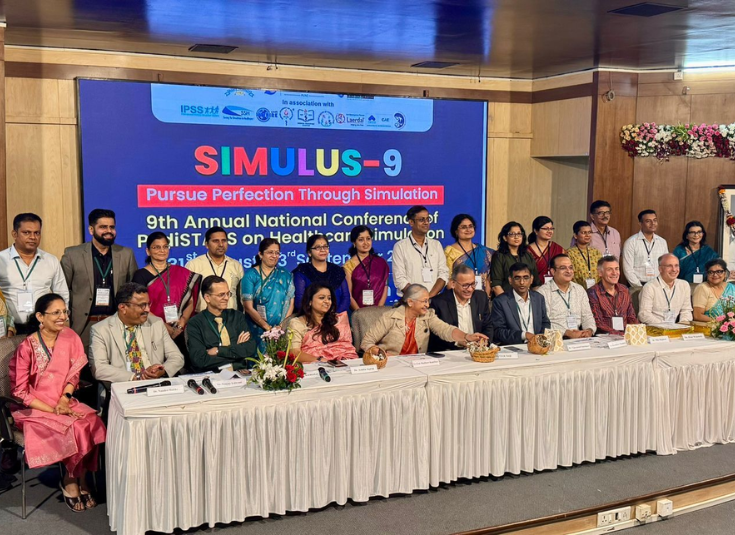
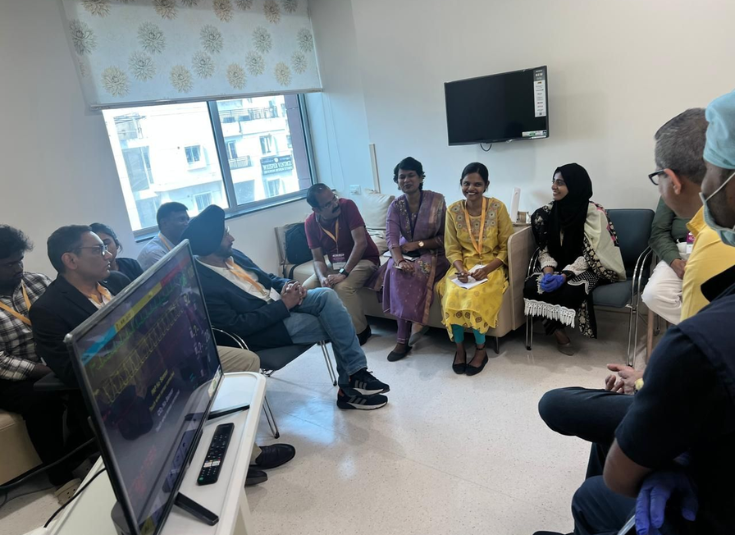
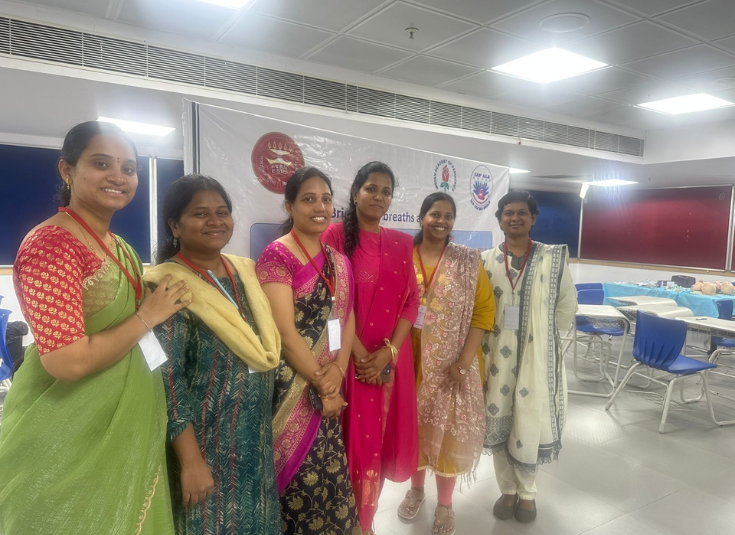
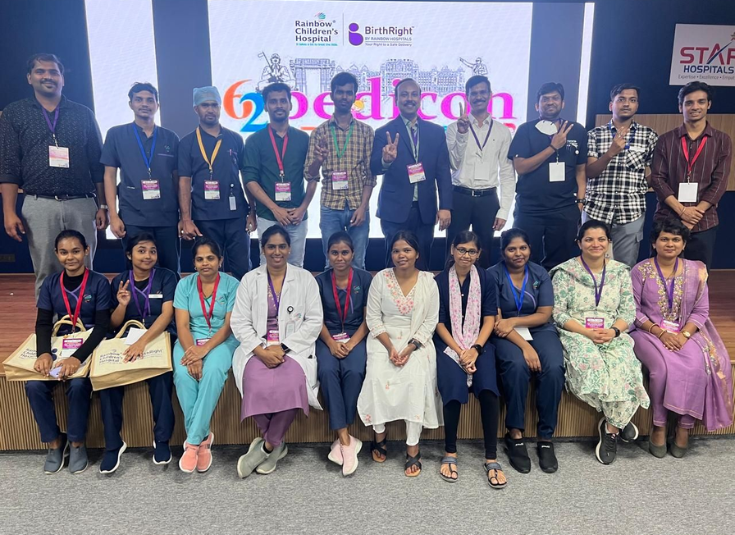
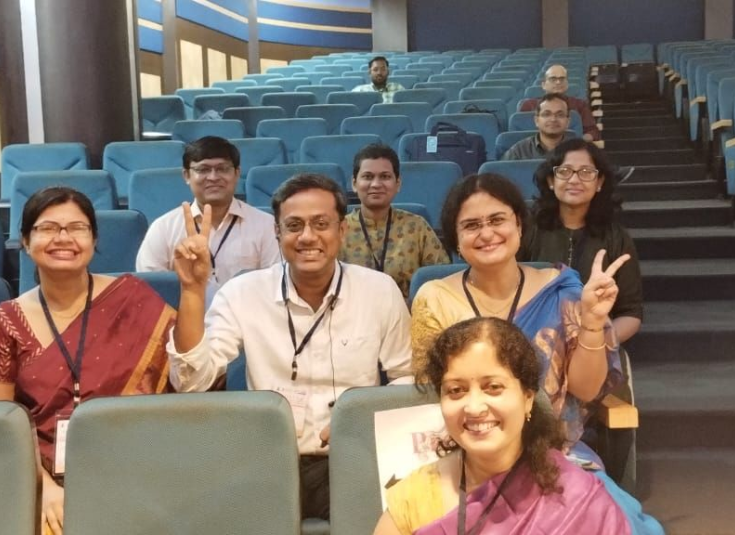
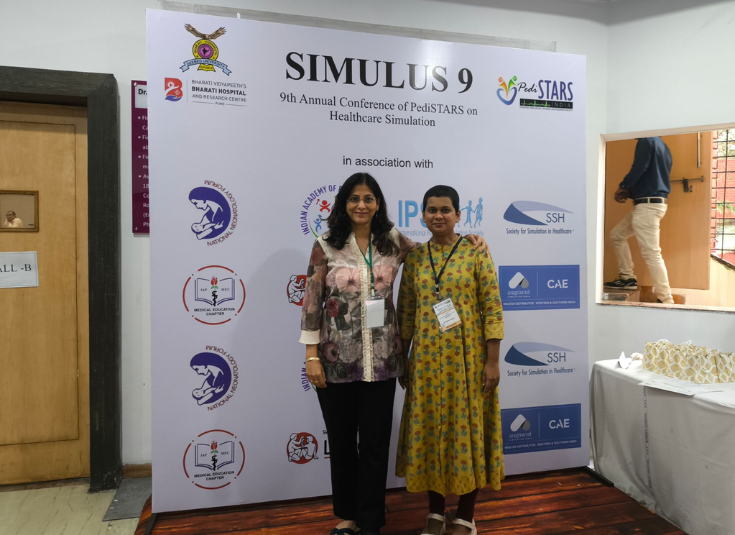
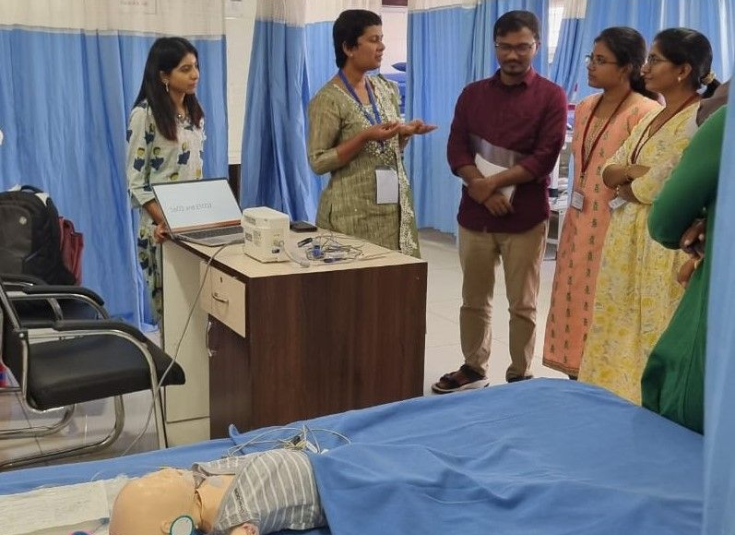
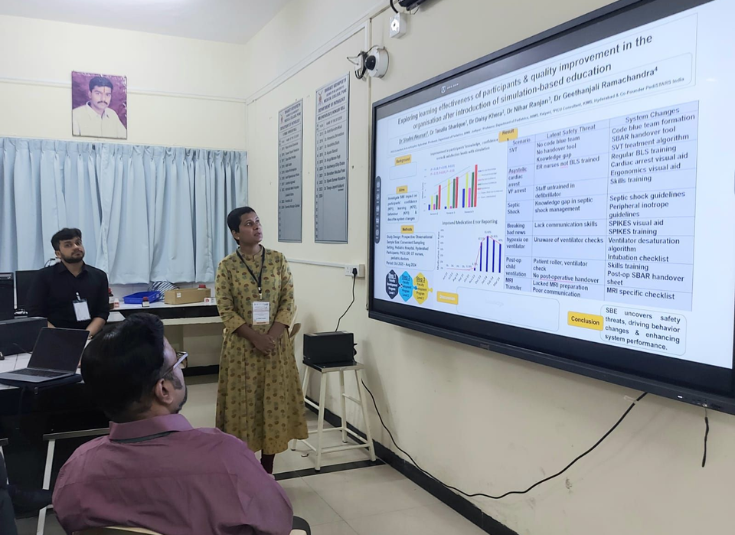
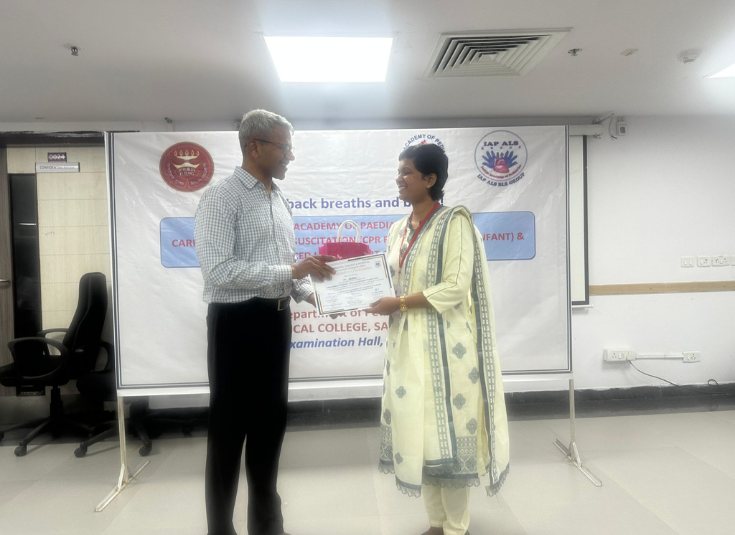
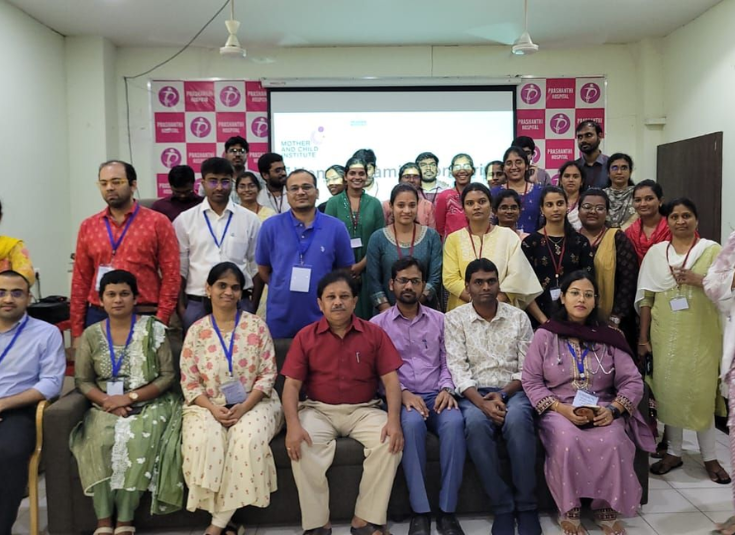
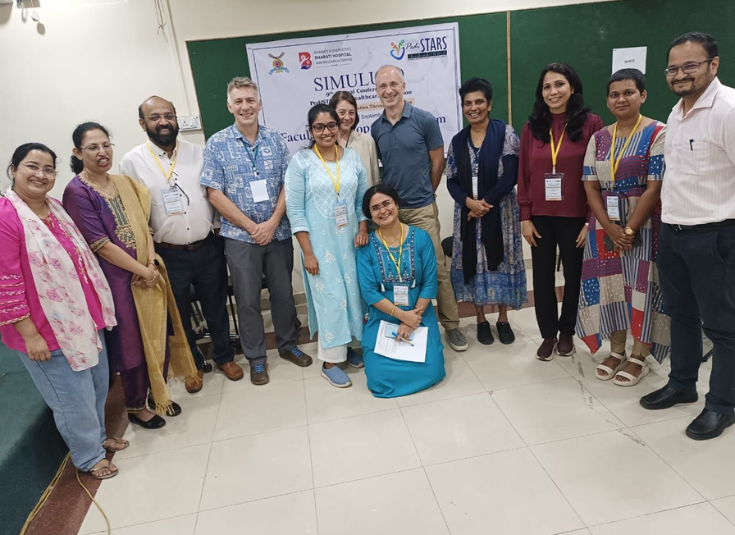
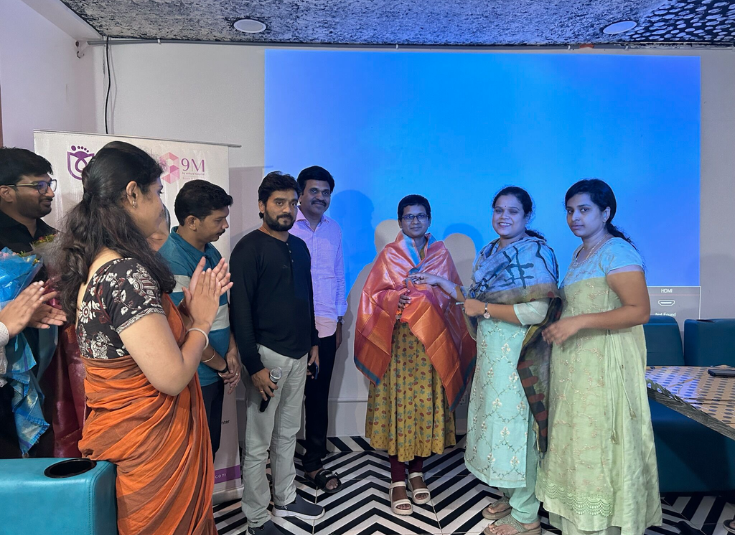
Honoured and humbled to be invited as faculty at SimGlobe2026, Bengaluru. Was ...See More
Jun 11, 2026
Appointments Only available at Ankura Hospital, Kompally. OPD timings: 8:30AM to 4:30PM.
Delivering expert intensive care with UK-India experience.

Building advanced PICUs and over a decade saving lives in critical care

Built high-level PICUs and trained future specialists.

Specializing in complex care, transport, and medical education.

Blending global training with heartfelt care for children

About Us
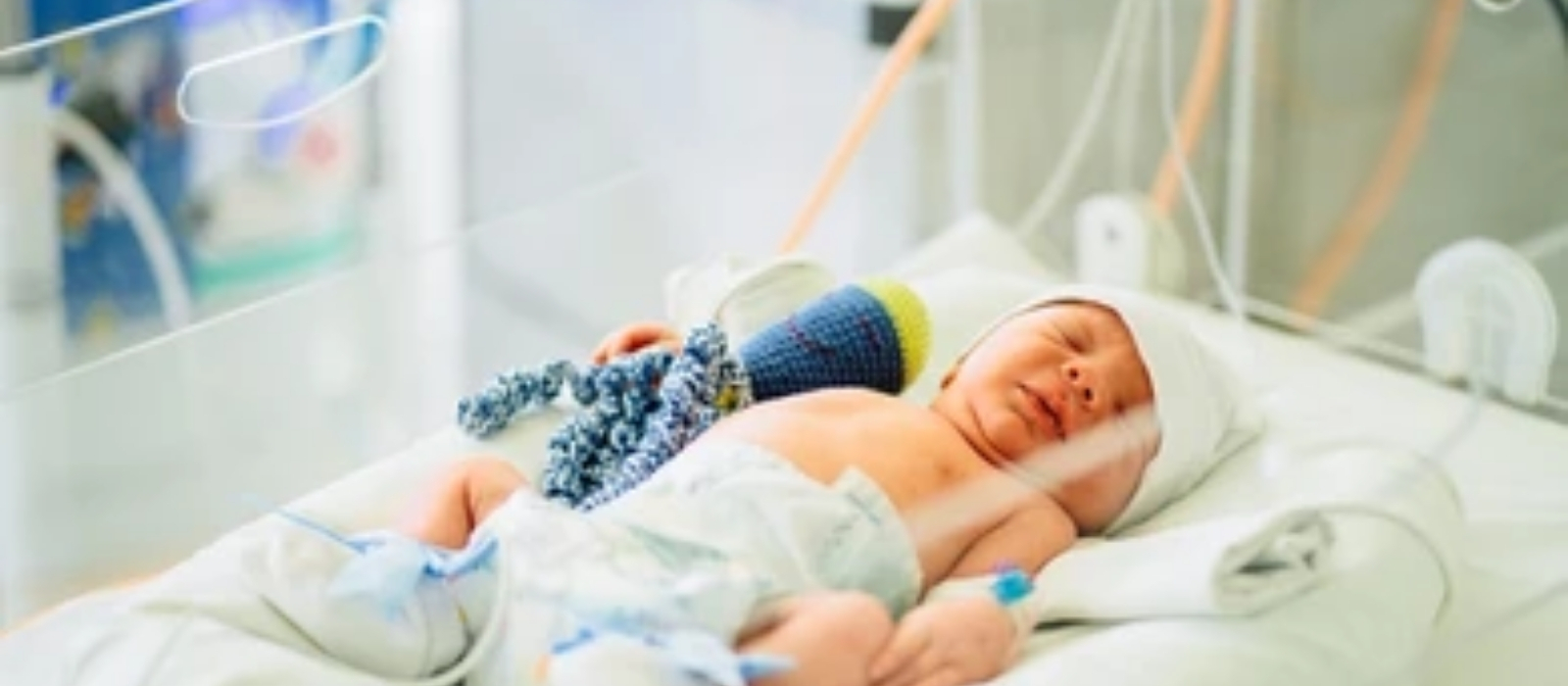
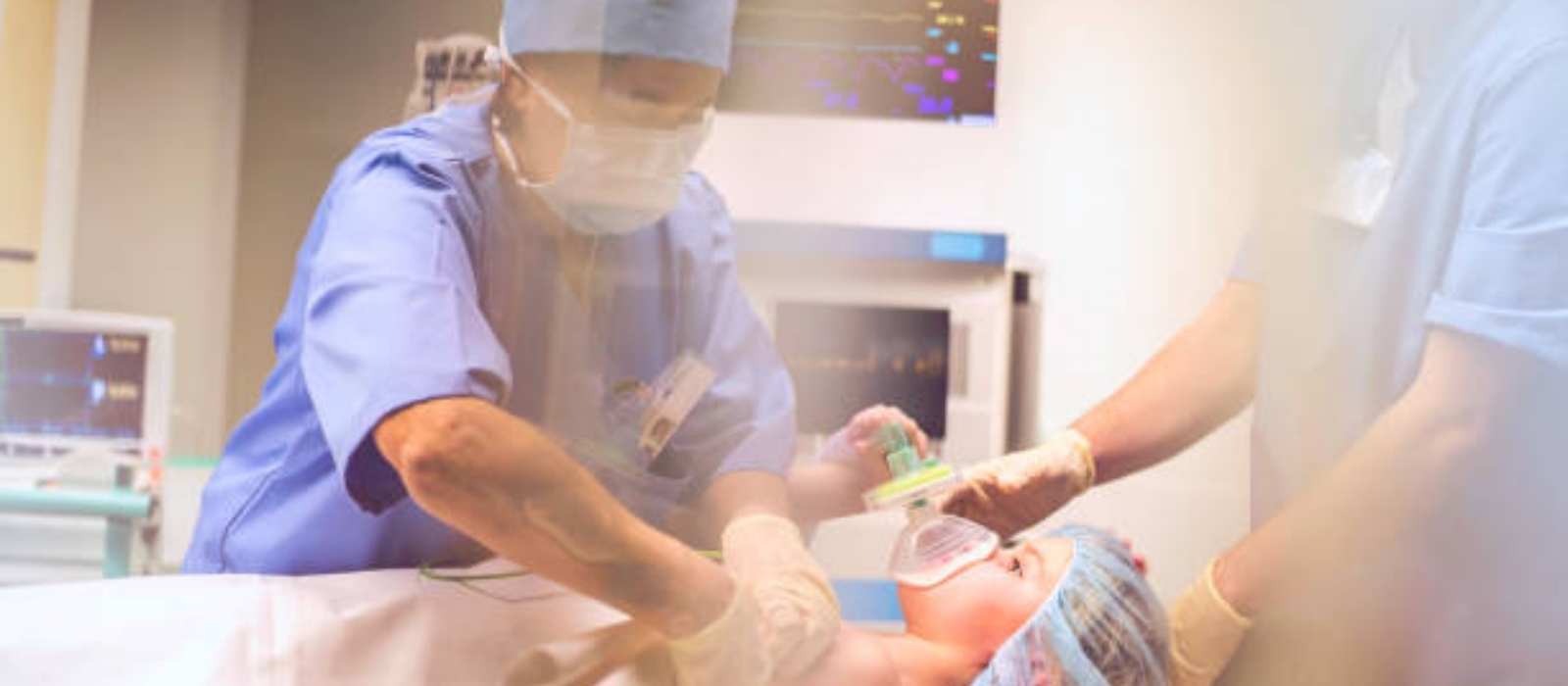
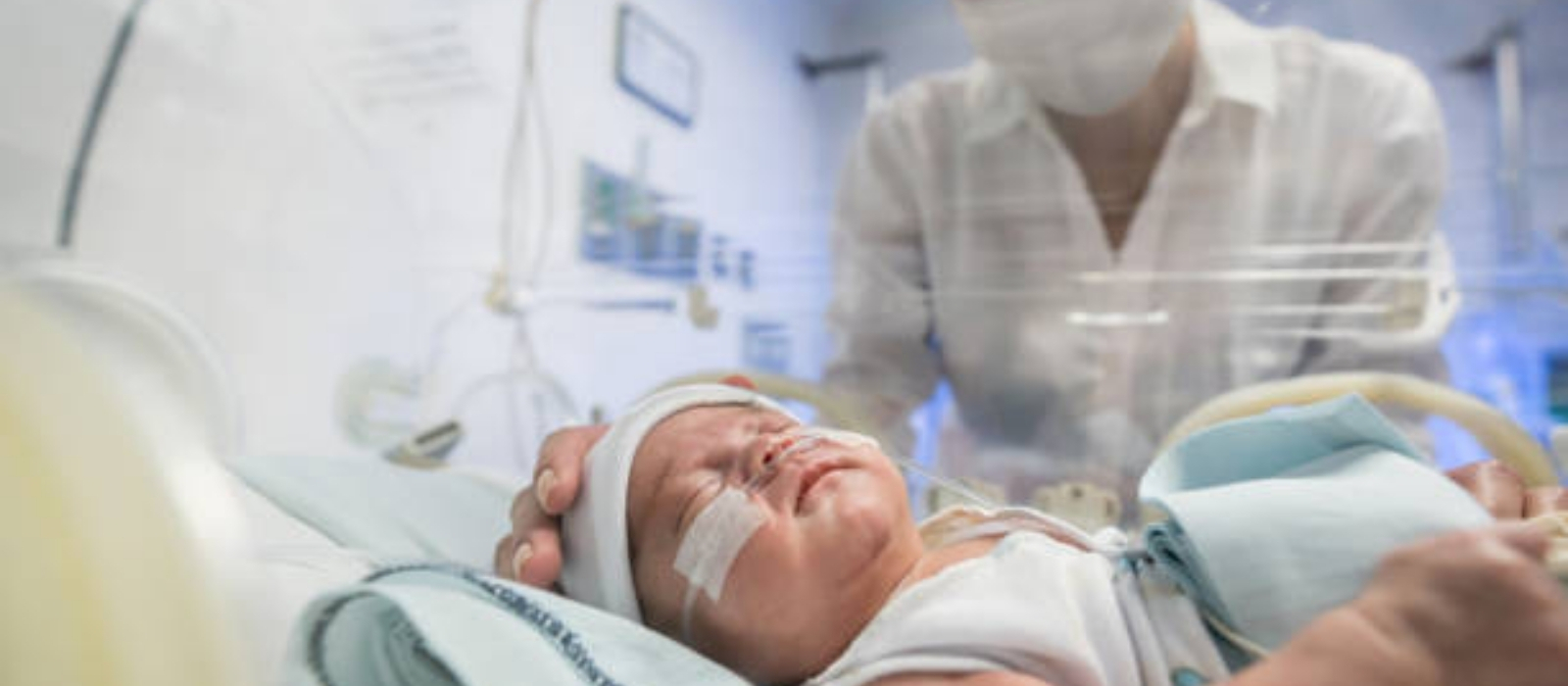
Dr. Shalini Akunuri is a distinguished Pediatric Intensivist with over 16 years of focused experience in managing critically ill children. Trained through the prestigious RGUHS Fellowship (India) and the RCPCH MTI Fellowship (UK), she has worked at globally renowned institutions including Great Ormond Street Hospital and Royal Brompton Hospital in London. Her clinical expertise spans pediatric cardiac intensive care, neuro-critical care, renal emergencies, post-operative care, ECMO (Extracorporeal Membrane Oxygenation), ventilator therapy (invasive and non-invasive), CRRT, plasma exchange, and pediatric retrieval and transport services.
She is skilled in managing high-risk conditions such as shock, multiorgan failure, acute kidney injury, congenital heart disease post-surgery, status epilepticus, and complex respiratory failure. Dr. Shalini is also a trained proceduralist, performing intubation, line placements, chest drains, and more.
What sets her apart is her leadership in developing Level III and IV PICUs—including the only Level IV Pediatric ICU in Kompally—and her commitment to medical simulation training, protocol development, and evidence-based care. She actively mentors postgraduate students and nurses, contributes to academic research with over 20+ publications, and integrates clinical precision with compassionate, family-centered care, making her one of India’s most trusted names in pediatric critical care.




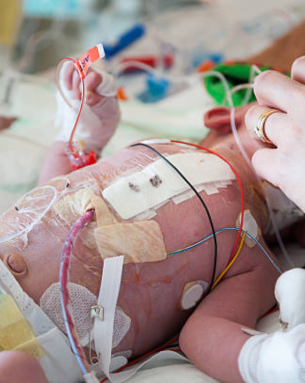
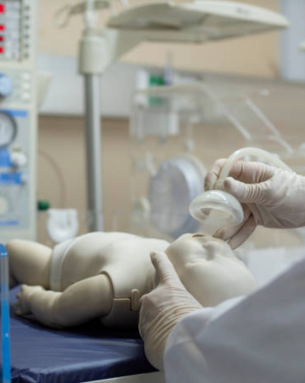
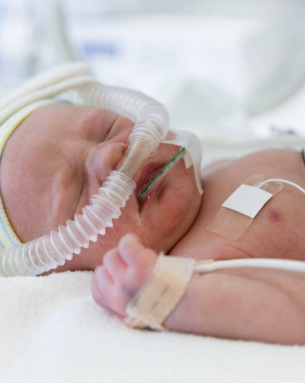
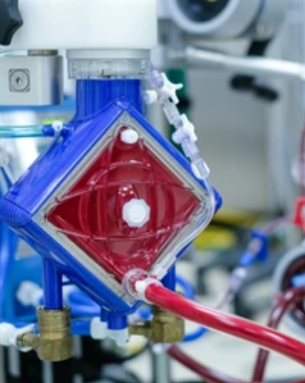
Advanced, Multidisciplinary Solutions for Critically Ill and Growing Children
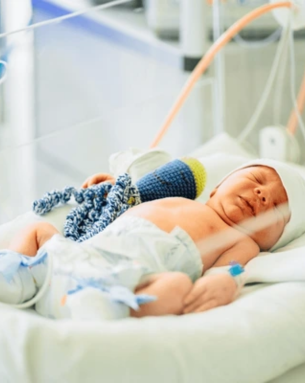
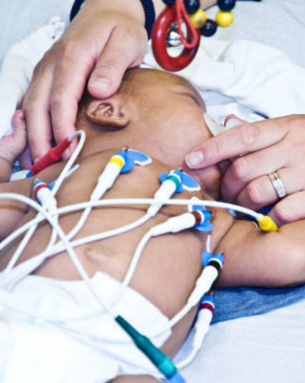
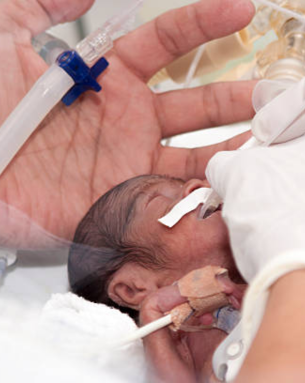
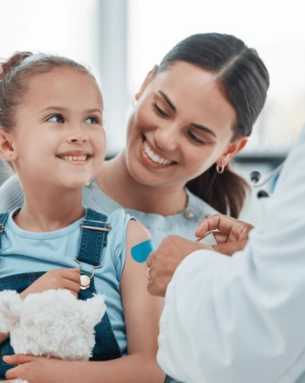

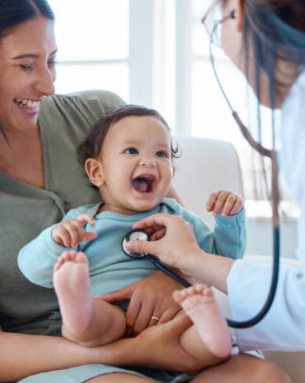

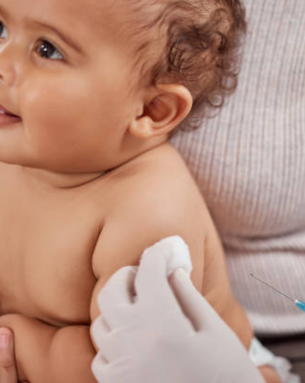
Stay informed with our latest updates, posts, announcements, and healthcare news

Honoured and humbled to be invited as faculty at SimGlobe2026, Bengaluru. Was ...See More
Jun 11, 2026
Pediatric Intensivist & Emergency Medicine Expert
.png)
What our Patients says about us
Our 10-month-old baby boy, Saad, was admitted to the PICU at Ankura Hospital, Kompally, for a week due to a viral infection (RSV). It was a very difficult time for us as parents, but the care and support we received from the entire team made us feel safe and confident. We are especially thankful to Dr. Shalini Akunuri Ma’am, who is an excellent doctor. She treated our baby with great care, patience, and dedication. Her presence in the PICU gave us a lot of comfort, as she was always available and attentive to the needs of every child. We are truly grateful for her guidance and expertise. Dr. Aravind was also very supportive and played an important role in the treatment, for which we are thankful. The nurses and ground staff deserve special mention for their kindness and constant support. Nurses Malleshwari and Rama Lakshmi, along with ward boy Roshan, were very attentive and caring throughout our stay. Their efforts made a big difference in Saad’s recovery. We also want to thank Mr. Dastagir from billing, who was very helpful and informative in guiding us through the process. A heartfelt thanks to the entire Ankura Hospital Kompally Team for giving our baby the best care.

Dr. Shalini took very good care for my daughter, She was very sick when we came in Ankura Kompally, PICU care with Doctor n nursing staff are extra ordinary, Day night they will care for patients. There dedication is out of the world. We are very happy to have such Doctor for our kids. Thank you Dr. Shalini n all the nurses in PICU.
I would like to sincerely appreciate the efforts of Shalini ma’am from the PICU team. She is extremely patient, explains everything clearly, and makes sure that parents understand the situation well. What impressed me the most was her dedication — despite a critical case, she was available in the PICU continuously for three days without even going home, ensuring the child received the best possible care. Her commitment and never-give-up attitude gave us immense confidence. I would also like to acknowledge Nurse Dheeksha, who was very supportive and attentive in her care. She performed her duties with kindness and professionalism, which really made a difference to us.
My baby Anvika Verma got admitted in Kompally Ankura under the supervision of consulting Dr Shalini. I am very happy with entire process carried out from admission to discharge. Nursing staff and the entire hospital staff was friendly and cooperative. Took care like family. Thank you ankura Hospital.
Shalini ma’am is best… ans all staff is very polite and professional.. my baby got best treatment here and she is healthy now …thank u all
Hi, this Telugu Anil kumar i am sharing my best experience on Ankura Hospital Doctor and Sisters, My son Telugu Audvik was admitted some health issue at Ankura Hospital, Its was great Experience. Staff and doctors are very good and Takeing care of patients on regular interval. Dr Shalini Ma'am was polite and humble and gave great treatment to my son during in hospital. and also Dr K. Mounika Ma'am she is also was polite and humble in giving treatment. and Sisters, Parwati, Renuka, Swathi,Anjali, sisters are were frndly sisters, good in giving treatment. All above mentioned Names, i am great thankfull to you All.

A very special thanks to Dr. Shalini Mam... she has taken care of my daughter very well. Her dedication towards the care of all patient are par beyond the words... thanks for all nursing staff for their tireless works. Also thanks to Mr. Naveen from the admin side help. Of course house keeping staff for maintaining the hygiene.
Good Hospital in kompally all doctors received very well....good nursing staff. .effective environment. ...allover of my experience is Good ,My child got admitted in icu where dr.shalini mam treated my child with so much of care and counselled us very clearley about the condition of my child and treated wery well.
Dr Shalini madam treatment is very good and humble person thank you so much madam
Am a father of harshitha,,,admitted in picu ,,admission to till discharge every one supported very well tq one and all,,especially picu staff,they given care to my baby like a mother,,I really appreciate to picu staff Anjali,deeksha ,mraw,renuka,mounika,swathi,gayathri..and tq very much to shalini mam,she is taken care of my child very well,,once again tq akura team,,
Dr Shalini madam treatment is very good and humble person thank you so much madam
Dr. Shalini madam treated my son during his dengue illness. He was in a very critical condition, but under her excellent care he recovered very quickly. I am truly grateful for her dedication and expertise. I would also like to appreciate the entire hospital staff for their kind and supportive behavior throughout the treatment.
My son got admitted in picu with servere dengue platelets were low 6000 but they treated with out unnecessary giving platelets transfusion.and nurses also took care of son very well all the supporting satff is also very good.
We are very happy with the treatment,my baby got admitted in picu Even with so many patients in picu, dr.shalini has taken time for every patient and explained us every thing clearly and treated my baby very efficiently.
In kompally area Ankura hospital is the best hospital for peadric care Dr. Shalini medam gave excellent treatment to my son. He was very sick but Dr. Shalini took care my son ans within 4 days baby was improved. All the staff also very cooprative. Service so are too good. I can reffered peadiatric patients to Ankura Kompally.
Doctor Shalini is very kind and interact with the patient very well, not only that the nurses in PICU unit are the best they take care of children like they were their own children they never let me feel I was unwell they took good care of me Thank you Dr Shalini ma'am & Team
My baby Aarav got admitted in picu in a very sevier condition but doctor Shalini mam treated very well and manage it very quickly so that it doesn't become more bad there was a condition where they needed to do incubation but with all the care and treatment they avoid it thank you so much for all the care and attention towards my child thank you everyone.
I would like to express my heart felt gratitude to the picu team for their exceptional care of my child dr.shalini and sisters were very attentive kind and supportive through out the treatment, they explained everything clearly monitored every detail and treated us with so much compassion we felt safe knowing our child was in such capable hands thank you ankura .
Our Latest Videos

.png)
.png)
.png)
.png)
.png)
.png)
Need Answers? Find them here...
Dr. Shalini Akunuri is a distinguished Pediatric Intensivist with over ten years of clinical expertise in pediatric and cardiac intensive care. She holds an MBBS, DCH, and DNB in Pediatrics and has completed fellowships in Pediatric Intensive Care Medicine from both India (RGUHS) and the UK (RCPCH MTI). Her extensive international training includes roles at esteemed institutions like Great Ormond Street Hospital and Royal Brompton Hospital in London.
Dr. Shalini Akunuri specializes in high-acuity pediatric care, encompassing ventilator therapy, ECMO, CRRT, plasma exchange, post-cardiac surgery management, and handling complex neuro-renal emergencies. She is adept in pediatric transport and retrieval systems, playing a crucial role in developing protocols and simulation training for critical care teams. Her work in leading Level III and IV PICUs at Princess Esra and Ankura Hospitals in Hyderabad underscores her commitment to advancing pediatric critical care.
Pediatric Intensive Care is a specialized area of medicine that involves the comprehensive care of critically ill children. It is necessary when a child has a life-threatening condition such as severe respiratory distress, trauma, or infections that require continuous monitoring and support from a multidisciplinary team. Pediatric intensive care units (PICUs) are equipped with advanced technologies and expert care teams to provide optimal care for these children.
Pediatric Cardiac Intensive Care focuses specifically on children with heart-related conditions such as congenital heart defects or heart failure. This specialized care involves close monitoring and management of cardiovascular status, including the use of specialized equipment and techniques tailored to pediatric cardiac patients. It differs from general Pediatric Intensive Care by requiring specific expertise in pediatric cardiology and cardiac surgery.
Pediatric Neuro-Critical Care is a subspecialty that addresses the needs of critically ill children with neurological conditions, such as traumatic brain injury, seizures, or neuromuscular disorders. It is important because these conditions require precise management to prevent further neurological impairment and improve outcomes. In this care, specialists utilize advanced monitoring technologies and therapies to support brain and nervous system function in critically ill children.
Pediatric Renal-Critical Care involves the management of critically ill children with kidney-related conditions, including acute kidney injury and chronic kidney disease. This care focuses on optimizing kidney function through interventions such as dialysis, fluid management, and electrolyte balancing. Pediatric nephrologists work alongside intensivists to tailor treatment plans that address the unique needs of pediatric patients with renal complications.
Extracorporeal Membrane Oxygenation (ECMO) is a life-saving technique used in Pediatric Intensive Care when traditional therapies are insufficient. ECMO temporarily takes over the function of the heart and lungs, providing critical oxygenation and circulation support. It is used in conditions such as severe respiratory failure or cardiac arrest, allowing the child's body to rest and heal while essential functions are managed externally.
Pediatric ICU Transport involves the safe and efficient transfer of critically ill children to specialized care facilities, such as PICUs. It is crucial because these patients require continuous monitoring and expert care during transport, ensuring stability and minimizing risks. A specialized pediatric transport team, equipped with advanced life support systems, manages these transports to facilitate timely access to comprehensive critical care services.
Ventilator Therapy, both invasive and non-invasive, is used in Pediatric Intensive Care for children with respiratory failure, severe pneumonia, or chronic lung diseases requiring mechanical breathing support. Invasive ventilation involves inserting a tube into the airway, while noninvasive uses external masks. This therapy is crucial for stabilizing breathing and ensuring adequate oxygenation in critically ill pediatric patients, particularly when natural respiration is insufficient.
Chronic Disease Management in Pediatric Intensive Care involves comprehensive care plans for children with long-term health conditions such as cystic fibrosis or congenital heart defects. Coordinating with a multidisciplinary team, intensivists manage acute episodes and support overall well-being. This involves ongoing monitoring, optimizing treatment plans, and collaborating with specialists to reduce hospitalizations and improve quality of life for children with chronic diseases within the PICU setting.
Multidisciplinary Support Services are essential in Pediatric Intensive Care for delivering holistic care to critically ill children. This approach involves collaborating with various specialists, such as physicians, nurses, nutritionists, and social workers, to address the medical, emotional, and psychosocial needs of patients and their families. By integrating diverse expertise, these services enhance treatment outcomes, ensure comprehensive care, and support family-centered practices in the PICU.
General Pediatrics plays a fundamental role in evaluating and managing the overall health of the child in Pediatric Intensive Care. Pediatricians provide essential input into the child's medical history and ongoing health concerns, facilitating comprehensive care plans alongside intensivists. They ensure continuity of care by collaborating on interventions, follow-up care transitions, and addressing routine preventive health measures to support the child's recovery and long-term wellbeing.
Preventive Child Health in Pediatric Intensive Care involves implementing strategies to prevent complications and promote the overall health of critically ill children. This includes infection control measures, nutritional support, and routine examinations to identify potential issues early. Pediatric intensivists work with multidisciplinary teams to integrate preventive practices into care plans, aiming to enhance recovery outcomes, prevent relapse, and ensure long-term health stability for ICU patients.
Child Vaccination remains crucial for children in the Pediatric Intensive Care Unit as it protects against preventable diseases and potential complications. Vaccinations help safeguard vulnerable children whose immune systems may be compromised due to critical illness. However, the vaccination schedule may be adjusted based on the child's condition and recovery status. Pediatric intensivists coordinate with general pediatricians to ensure vaccinations are delivered safely and effectively within the PICU context.
 Address :Ankura Hospital for Women & Children, 7A, NH 44, beside DPS, Petbasheerabad, Satyam Enclave, Kompally, Hyderabad, Telangana 500100, Hyderabad 500100, Telangana